

Featured




In the realm of digital marketing, Instagram has emerged as a powerhouse platform, with its latest feature, Instagram Reels, capturing the attention of users worldwide. For restaurant marketers, this presents an unparalleled opportunity to showcase their culinary creations, engage with their audience, and ultimately drive foot traffic to their establishments. In this blog post, we'll delve into the art of creating captivating Instagram Reels specifically tailored for restaurant marketing, while also exploring examples of stellar reels that have set the bar high in the industry.
In the competitive realm of restaurant management, leveraging advanced technology is key to success. The Toast POS system has emerged as a cornerstone for many establishments, offering a comprehensive suite of features that can revolutionize your approach to marketing.
In today's digital age, having a strong online presence is crucial for the success of any business, including restaurants. Local search engine optimization (SEO) plays a vital role in ensuring that your restaurant gets discovered by potential customers in your area.
You see amazing food content on Instagram accounts like The Minimalist Baker, Scott Suchman and Steve Pearce and you wonder how they get such amazing photos of food. Most of those samples probably use big expensive cameras and spray hairspray on the buns to make them like shiny, however all you really need to take above average food photos is an iPhone, patience and practice.
The restaurant industry has seen a change in recent decades with the introduction of more advanced, social technology. Restaurant marketing in particular, has transitioned from traditional print advertising to online engagement and social media content.
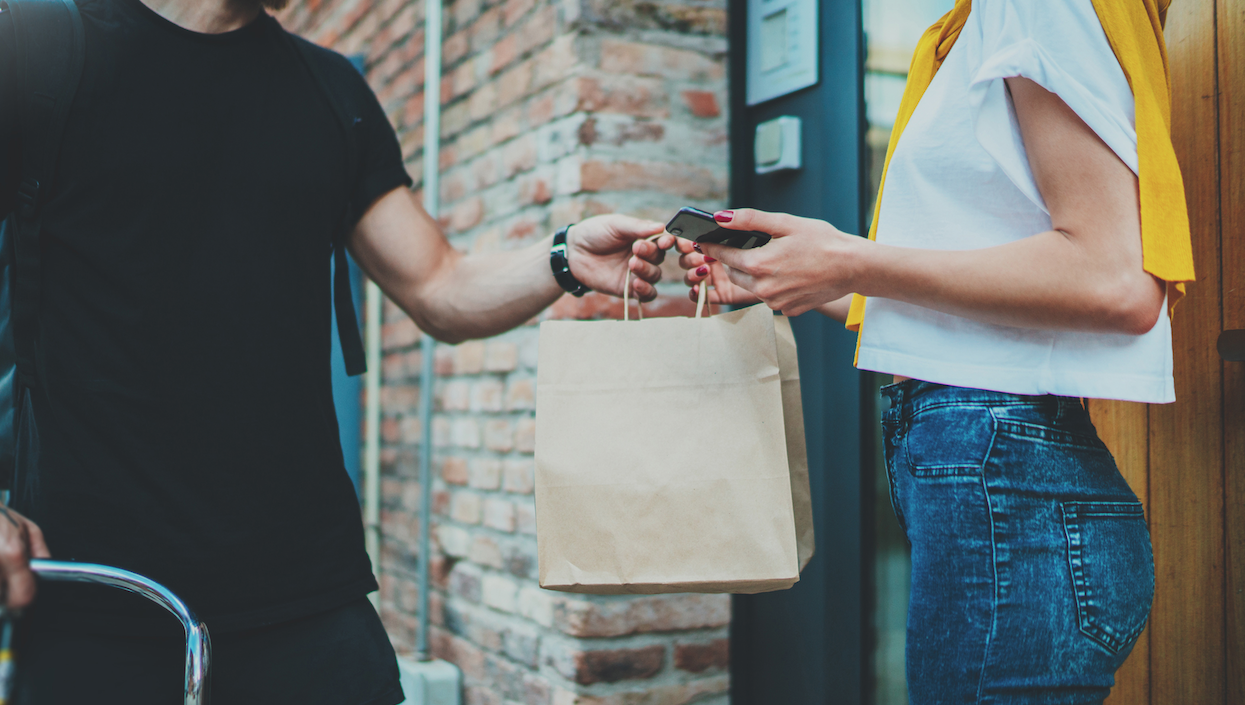
Before I get into the article, I wanted to talk a little bit about the state for these delivery apps in the Philadelphia area. This is not a definitive case study, just my opinion based on the conversations I’ve had with restauranteurs, peers and friends. General consumers are starting to figure out that ordering through the apps like Grub Hub, Uber Eats and Door Dash is a huge waste of money.
Content marketing tends to change very quickly and trying to keep up can seem daunting. The newest trends are driven by global events, technological advancements, changes in consumer behavior, the latest platforms, and the demand for certain types of content.
Forty-one percent of independent restaurants currently operate virtual brands to leverage persistent consumer delivery demand, according to a report commissioned by Grubhub and executed by Technomic, which surveyed 350 independent operators from Jan. 20-28, 2022.
Restaurants are investing in labor-saving technology, wage hikes and new delivery strategies to prepare for a year that may still be squeezed by labor, supply chain and inflation pressure.
The 2026 FIFA World Cup is coming to Philadelphia, and for local restaurants, bars, cafés, breweries, and hospitality groups, this is much more than a sporting event. It is one of the biggest marketing opportunities the city has seen in years.
Philadelphia is scheduled to host six World Cup matches at Lincoln Financial Field between June 14 and July 4, 2026, including five group-stage matches and one Round of 16 match on Independence Day. The tournament itself runs from June 11 through July 19, 2026, and Philadelphia will also host World Cup-related fan events, including the FIFA Fan Festival at Lemon Hill in Fairmount Park.